How twenty-first-century socialites have transformed Renaissance sprezzatura into a secret code of the modern elite — and why pretending not to try has become the most demanding job of all.
There is a paradox at the heart of social life: the people who seem never to try are precisely those who try hardest. Baldassare Castiglione understood this when, in 1528, he wrote in his Book of the Courtier of a rare and precious quality he called sprezzatura — that sovereign grace with which the perfect gentleman accomplishes every difficult thing as though it were effortless, concealing art with art itself.
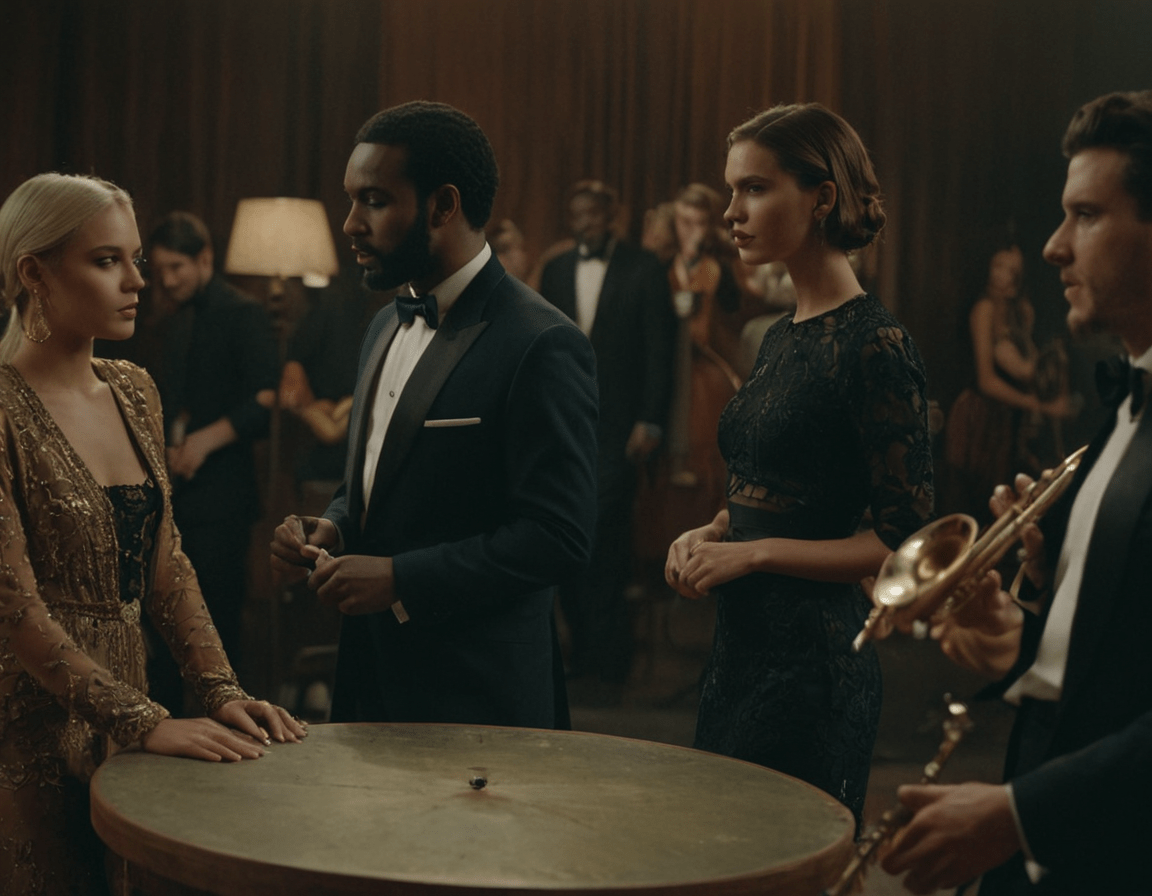
Five centuries on, sprezzatura has not disappeared. It has simply changed its costume: it wears two-thousand-euro sneakers as though they came from a charity shop, discusses holidays in Pantelleria as casually as the café downstairs, arrives at a museum opening ten precisely calculated minutes late. The contemporary socialite is the direct heir of the Renaissance courtier — and like him, the primary occupation is making the occupation invisible.
"True elegance is the refusal of any visible effort — but it demands an enormous invisible effort."
Who is the socialite, really?
The word "socialite" often conjures images of bored heirs, parties on Roman terraces, photographed faces at La Scala premieres. But the reality is more nuanced and more interesting. The contemporary socialite is not necessarily born wealthy — they may be a creative director, a gallerist, a cultivated influencer, an ascendant style journalist. What defines them is not patrimony but mastery of the social field: knowing who to invite, where to be seen, what not to say, when to arrive — and, crucially, when to leave.
The great Canadian sociologist Erving Goffman described social life as a continuous theatrical performance: each individual plays a role before an audience, managing impressions with meticulous care. The socialite is the actor who has brought this performance to such a pitch of perfection that the audience forgets it is watching a show. That is sprezzatura's supreme gift: the invisibility of effort.
Sprezzatura as social technology
Castiglione identified in sprezzatura something deeper than a mere aesthetic trick. It was a technology of power. To show effort was to reveal one's limits; to show ease was to declare their absence. The Renaissance court was a highly competitive ecosystem where every gesture was read, every syllable weighed. Nonchalance was defence and attack simultaneously.
Today the playing field has expanded. Social media have democratised visibility while multiplying the arenas in which sprezzatura is performed and judged. A "spontaneous" Instagram post requires — according to studies of high-end creator habits — between forty minutes and two hours of preparation, selection, editing, and deliberation over timing. And yet it must appear to have been captured in a flash of authentic life. This is digital sprezzatura: the art of making the carefully curated appear uncurated.
"Nobody is ever caught reading Castiglione. But everyone practises him."
The wardrobe of nonchalance
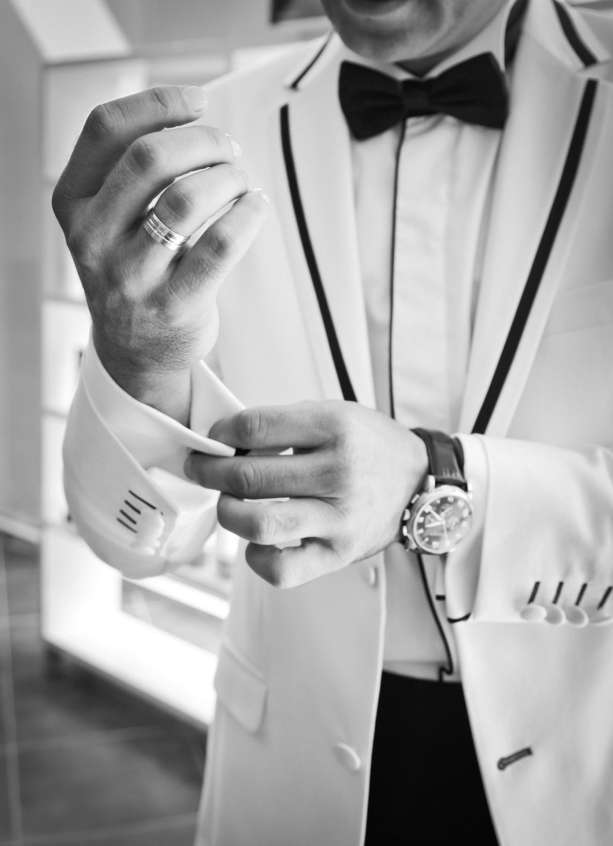
Few domains make sprezzatura visible with such nakedness as fashion. The code is known: one wears the luxury piece as if it were the second impulse buy of the season, not the result of three months on a waiting list. One mixes genuine vintage with high-end tailoring without ever explaining where one ends and the other begins. One wears the season's wrong colour — with such command that it immediately becomes the right colour.
Designers know this well. "Effortless" may be the most overused word in fashion house press releases since 2010. But what brands sell as effortless is the product of hundreds of hours in the atelier, of toiles and remakes, of colour choices refined with computational tools. The promise is: buy this, and you will look like someone who has no need to buy it.
Socialites and cultural capital
Pierre Bourdieu — the French sociologist who analysed the mechanisms of the elite more acutely than anyone — introduced the concept of cultural capital: that ensemble of knowledge, tastes, dispositions, and codes that distinguish classes and are transmitted, often unconsciously, from one generation to the next. The socialite is an accumulator and converter of cultural capital: knowing how to transform familiarity with an obscure Brazilian architect into reputation, acquaintance with a natural wine from a small Sicilian vineyard into distinction, attendance at a second-tier but intellectually respected film festival into a credential.
Sprezzatura is the style in which this capital is displayed. It is not flaunted — it is revealed, as if by chance, in the middle of a conversation that appears to be about something else entirely. It is the right quotation at the right moment, uttered as though it were the most obvious thing in the world.
The hidden cost of apparent ease
There is, however, a reverse side, and critics of mondane culture are quick to note it. Sprezzatura is a privilege: it requires time, resources, and a network of relationships that are not accessible to everyone. The brilliant young person from the provinces who arrives in Milan or London and wishes to enter certain circles must learn an unwritten code in constant revision — and while learning it, their effort shows, which exposes them to the most merciless judgement of all: that of those who were born already knowing.
Furthermore, sprezzatura perpetuates a collective fiction: that social success is natural, spontaneous, almost biological in those who possess it. This fiction legitimises inequalities rather than interrogating them. Watching someone who "succeeds effortlessly" produces admiration but also a silent resignation in those who visibly struggle — and who therefore, in the grammar of sprezzatura, have already lost.
"Sprezzatura says: I have no need to try. What it does not say is: I had all the time and all the resources to learn how not to seem to."
The final irony
And yet it is hard not to recognise in sprezzatura something genuinely captivating. There is a severe discipline in the apparent abandonment, an aesthetic rigour in the calculated disorder, a form of respect for one's interlocutor in avoiding vulgar ostentation. The socialite who masters sprezzatura is not merely managing their own image — they are offering others the grace of a conversation in which no one feels uncomfortable, an environment in which elegance is light, not oppressive.
Castiglione would not have called sprezzatura honest. He would have called it necessary — and perhaps, in its oblique and sophisticated way, even human. Because to pretend not to try is, in the end, an act of generosity toward those who are watching: to spare them the weight of one's own effort.
The true socialite — the one who has genuinely understood the lesson — is the one who can smile at themselves, in private, where no one is looking.